Loyalty in Canadian casinos is not a bolt-on marketing tactic. It is the lifeblood of sustainable revenue, a behavioral science exercise, and an operations challenge all at once. Operators that get loyalty right see higher lifetime value, steadier cash flow, and cheaper customer acquisition. Those that get it wrong create churn, breed mistrust, and inflate promotional costs. This article covers practical, battle-tested loyalty strategies for both bricks-and-mortar properties and real money casino sites serving Canadian players, with concrete examples, numbers when appropriate, and the trade-offs operators should weigh.
Why loyalty matters in casino ca
A single loyal customer can be worth multiple new ones. Retention is cheaper than acquisition, often by a factor of three to five in online gambling. On-premise players return with predictable frequency. Online gamblers who feel treated, recognized, and rewarded will shift play to a single platform. That combination matters because the economics of casinos lean heavily on repeat play: house margin compounds over hundreds of sessions, whereas a one-off big winner is noise.
Customer lifetime value depends on three levers. Frequency of play, average bet per session, and churn rate. Improve any of these, and the math improves quickly. For example, reducing monthly churn from 8 percent to 6 percent in a cohort can raise average lifetime by roughly a third, all else equal. Pair that with modest increases in session frequency and you suddenly have meaningful incremental revenue without expanding marketing budgets.
Foundations before fancy features
Before launching tiered rewards, mobile push campaigns, or VIP jets, the basics must be solid. A frictionless sign-up, accurate player accounts, quick payout processing, and clear terms and conditions are nonnegotiable. Nothing erodes loyalty faster than a long withdrawal delay or a misapplied bonus. In one mid-sized casino in Ontario that I audited, a single slow payout process caused a 12 percent drop in repeat deposits among first-week registrants. Fixing that process recovered about half of the lost repeat deposits within three months.
Invest in identity and account hygiene. Confirming identity quickly, storing consent for marketing channels, and verifying payment methods reduces friction later. When a player is recognized and their preferences are respected, they take reward notifications more seriously. That recognition is what separates a loyalty program from a generic points system.
Designing a rewards ecosystem that resonates
Points and comps are ubiquitous, but the psychology behind them matters more than the mechanics. Points that accumulate sluggishly create apathy. Points that evaporate with complicated rules generate distrust. Canadians respond well to transparency and immediate perceived value. That does not mean giving away money, it means structuring rewards that feel fair and usable.
Consider a dual currency model. Use a simple, visible points currency tied to play, and a second soft currency that unlocks experiential benefits. The primary points should accrue at a predictable rate, for example, 1 point per dollar wagered on slots, 0.5 point per dollar on table games. The secondary currency could be earned through non-wager actions, such as birthday logins, verified deposits, or participating in surveys. That second stream powers experiences: priority seating at on-site restaurants, expedited withdrawals, or invitations to limited events. This separates cash-like rewards from brand-building experiences.
Tiered status is powerful when tiers are attainable. A common mistake is setting the top tier out of reach, which demotivates mid-tier players. Use a ladder with meaningful thresholds and visible progress bars. Offer three to five tiers. Make the bottom tier attractive enough to feel like a win, and make each step upward unlock something new and tangible. Fast-track promotions, like a 30-day status sprint, create excitement and can convert dormant players.
Practical tactics that work in Canada
- personalize communications with actual behavioral triggers, not just segments based on age or location. offer small, frequent value rather than rare, large jackpots; a daily free spin or cash-back on net losses keeps players engaged. make cash-outs predictable by publishing average payout times and improving the top quartile experience. integrate offline and online points so land-based visits feed the same loyalty ledger as the real money casino site. gamify progression with clear goals and micro-rewards, make the next reward feel reachable.
Direct personalization without creep
Personalization is not just inserting a first name into an email. It is about timely, context-aware outreach that matches a player's behavior. If a slots player increases session length at midnight, a targeted evening promotion with a slight spins bonus is relevant. If a table game player bets higher on baccarat weekends, reserve a table with lower rake or specific side-bet promotions.
Collect only what you need and be transparent. Privacy and consent are sensitive in Canada, and heavy-handed tracking is counterproductive. Offer players a range of opt-ins and let them control frequency. Players prefer fewer, high-value messages over constant noise. I have seen conversion rates double when operators reduced email frequency but increased relevance.
VIP and high-roller treatment, responsibly applied
High-value players justify bespoke service: VIP hosts, tailored credit lines, special events. But VIP programs in casino ca have regulatory obligations and reputational risks. Credit must be managed carefully. Offer value beyond cash, like curated travel experiences, private events, or unique merchandise. Those experiences build loyalty without exacerbating problem gambling risks.
Segment VIPs not just by lifetime spend, but by risk indicators and behavioral stability. A consistent, moderate high-value player is a better candidate for credit and deep perks than a short-term big winner, who could be an outlier. Train hosts to watch for signs of harm and to use soft interventions. That protects the player, the brand, and regulatory compliance.
Cross-channel integration in practice
Integrating online gambling accounts with on-property cards is a major competitive edge. When a player walks into a casino and the host can see their online activity, promotions become personal and immediate. Conversely, giving online customers the ability to redeem on-site perks drives foot traffic and F&B revenue.
Integration requires real-time data flow, but simple wins exist. Make points redeemable both online and in the casino, sync birthdays and preferred channels, and allow online deposits to trigger on-site offers. In one Atlantic Canada resort, merging the loyalty ledger across channels increased cross-spend at restaurants by 18 percent within six months, because players who earned online points used them on property.
Rewards structure and game economics
Points valuation matters. If a point is perceived as worthless, the program fails. A practical approach is to peg points to a cash-equivalent baseline and publish it. For example, 1000 points equals CAD 10 in free play. Use that baseline to compute breakage expectations and reserve liabilities. Transparent valuation reduces player confusion and disputes over redemptions.
Avoid creating incentives for reward chasing that erode margin without increasing lifetime value. Free play bonuses with unreasonable wagering requirements frustrate players if not explained clearly. Instead of a blanket 20 percent bonus, offer calibrated rewards: lower wagering multipliers for slots, higher for table games, or simple cash-back that is instantly withdrawable after a small playthrough requirement. Instantaneous or near-instantaneous redemptions increase perceived value and drive repeat activity.
Measuring loyalty effectively
Track a handful of actionable KPIs rather than drowning in vanity metrics. Five that matter are cohort retention at 30, 60, and 90 days, average revenue per active user, deposit-to-withdrawal ratio, repeat deposit frequency, and net promoter score. Mix behavioral metrics with sentiment. A player who deposits monthly but reports low satisfaction is a churn risk.
A second short list for tactical monitoring:
- 30, 60, 90 day retention by acquisition channel. average session value and session length segmented by game type. cost to serve VIPs versus incremental revenue from VIPs. percentage of players using cross-channel rewards. promotional redemption rates tied to incremental net revenue.
Balancing generosity and profitability
A loyalty program that is too generous hurts margins, but one that is too stingy hurts retention. The correct stance depends on your acquisition funnel and margin profile. Newer online casinos often use more generous short-term offers to build database size. Established operators with recognizable brands can rely more on service and experience.
Run experiments. A/B testing works well for email creative, tier thresholds, and small variations in points accrual. Monitor both short-term conversion and medium-term retention nets. A promotion that drives a 20 percent immediate deposit lift but increases churn in the next 60 days is not an improvement. Use holdback cohorts to isolate lift from cannibalization.
Responsible gambling and loyalty
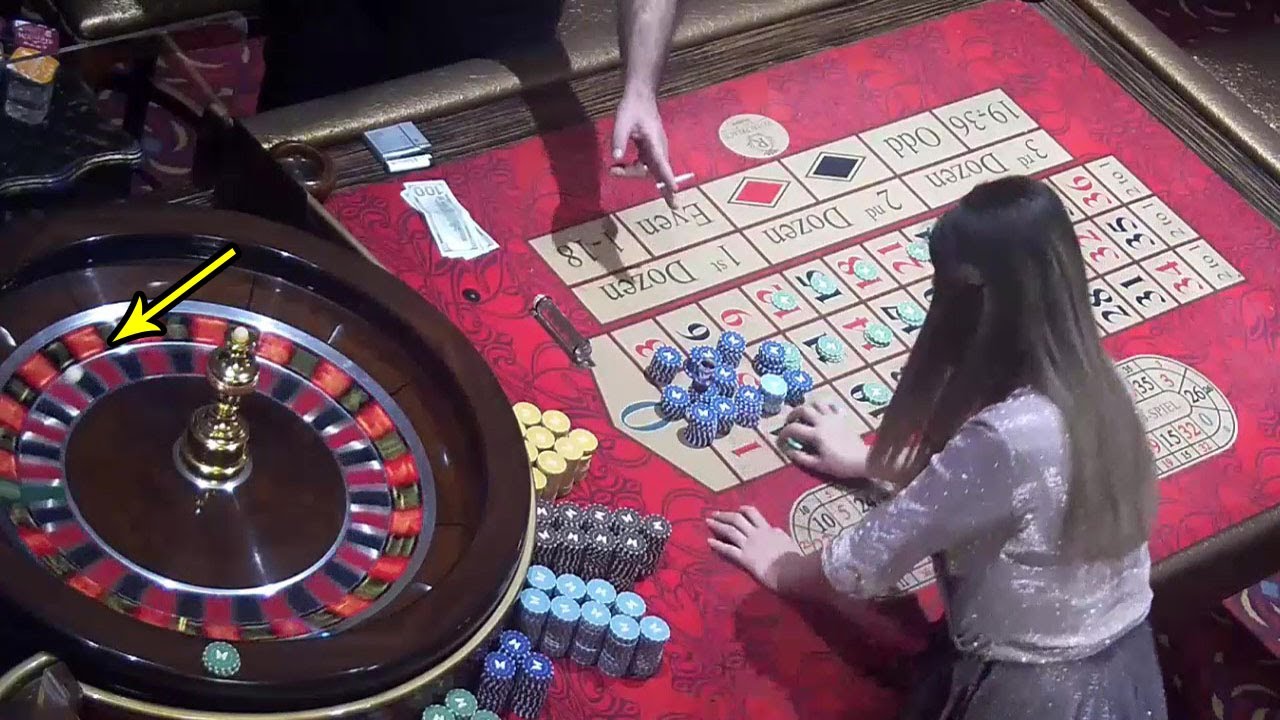
Loyalty strategies must respect player welfare. Offer self-exclusion tools, deposit limits, and cooling-off periods, and weave these into loyalty mechanics. For example, offer a status freeze where a player retains benefits while reducing access for a cooling-off period. That preserves the relationship and allows the player to return without losing status, which both helps retention and demonstrates care.
Train customer-facing staff to spot behavioral red flags. Incentives for staff should not be solely revenue-based. Measuring and rewarding staff for positive player care, successful interventions, and longer-term retention aligns incentives with sustainable loyalty.
Promotions that build habit, not entitlement
Habit formation is an underused angle. Small, repeatable rewards shape routine. A "weekday happy hour" free spin, a loyalty streak bonus for logging in three days in a row, or cash-back paid weekly rather than monthly encourages regular engagement. Habit-building rewards should be modest but consistent.
Avoid creating entitlement where players expect compensation for any loss. That skews behaviour and raises pairing costs. Use conditional rewards: if a player has lost X over a week but still logs in, offer a recovery free play that carries mild playthrough conditions. The framing matters. Position the reward as an appreciation for loyalty rather than a refund on losses.
Technology and vendor selection
Choose CRM and loyalty platforms that allow experimentation. Off-the-shelf solutions can work but require custom rules engines to handle complex promotions and cross-channel flows. Real-time data feeds matter less for small promotional tests but are essential for personalized, contextual offers.
When selecting vendors, prioritize integration points: player account APIs, payment processors, and on-premise systems. Ask for references in the Canadian market, and request examples of compliance-ready deployment, especially around KYC and AML. Beware vendors that overpromise rapid personalization without robust privacy and consent features.
Regulation and tax considerations
Regulatory environments vary by province. Ensure loyalty currencies are treated correctly for tax and reporting. Some provinces have strict rules about credit and inducements, particularly regarding credit lines and VIP hoteling. Work with counsel early. Also understand advertising restrictions in online gambling, including how rewards can be promoted to different age groups and regions.
Case study vignette
A mid-tier online operator in Quebec redesigned its loyalty program to address weak 90-day retention. Previously, points accrued slowly and offered only casino credits with steep playthrough. The operator implemented a three-tier model, accelerated points accrual for the first 30 days, and introduced small weekly cash-back with transparent terms. They also integrated a simple VIP host program for players who crossed a defined monthly net deposit threshold.
Within four months, 30-day retention improved by 14 https://www.insidecasino.ca/ percentage points and gross gaming revenue per retained user rose 9 percent. The operator accepted a short-term margin hit on new sign-ups during the promotional ramp, but the improved retention lowered acquisition cost per retained user over six months. The key insights were clear thresholds, quick perceived returns, and human touch for higher-value players.
Final trade-offs and pragmatic advice
Loyalty demands investment in technology, people, and risk management. Prioritize fixes that reduce friction first: faster payouts, clearer T&Cs, and consistent account recognition. After that, experiment with rewards that create habit and offer tangible value. Treat VIPs as long-term relationships requiring careful credit and behavioral oversight. Measure ruthlessly and be willing to roll back promotions that inflate short-term numbers but harm cohort health.

Start small with controlled experiments, iterate on the offers, and scale the winning mechanics. Keep language simple and terms transparent. Loyalty is a slow burn. It compounds. Invest in the parts of the player journey that feel personal, predictable, and fair, and the economics will follow.
Keywords included where relevant: casino canada, real money casino, online gambling, casino ca.
